
Long‑Term Investment for Safe Water Supply
Choosing to drill a borehole delivers lasting impact — clean water, consistent yield, and peace of mind that repairs alone can’t guarantee.
The arithmetic
A rehabilitation typically costs a quarter to a third of a new hand-pump borehole and takes weeks rather than months. Where the borehole itself is sound — and it usually is — the failure sits in the pump, the rising main or the apron, none of which required drilling to install and none of which requires drilling to replace.
When it is not the answer
A collapsed hole, a hole that has gone dry as the water table dropped, or one sited badly in the first place cannot be rescued by new parts. The survey has to happen either way, which is why we survey before quoting rather than after.
Why it gets skipped
New construction photographs better and funds more easily. A ribbon-cutting on a rehabilitation is a harder press release than a ribbon-cutting on a new well, even when it serves the same households for a third of the money.
What to ask for
Before approving a new borehole within a kilometre of a broken one, ask for the original drilling log and the reason the old one failed. If nobody can produce either, that is itself the finding.
Related articles
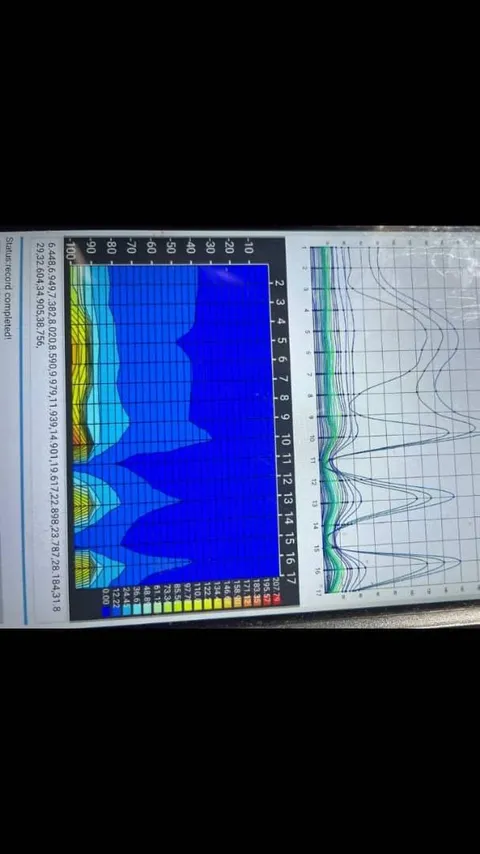
How to read a drilling log
A drilling log is the borehole’s record, showing depth drilled, soil and rock layers, points where water was struck, casing details, and pumping test…
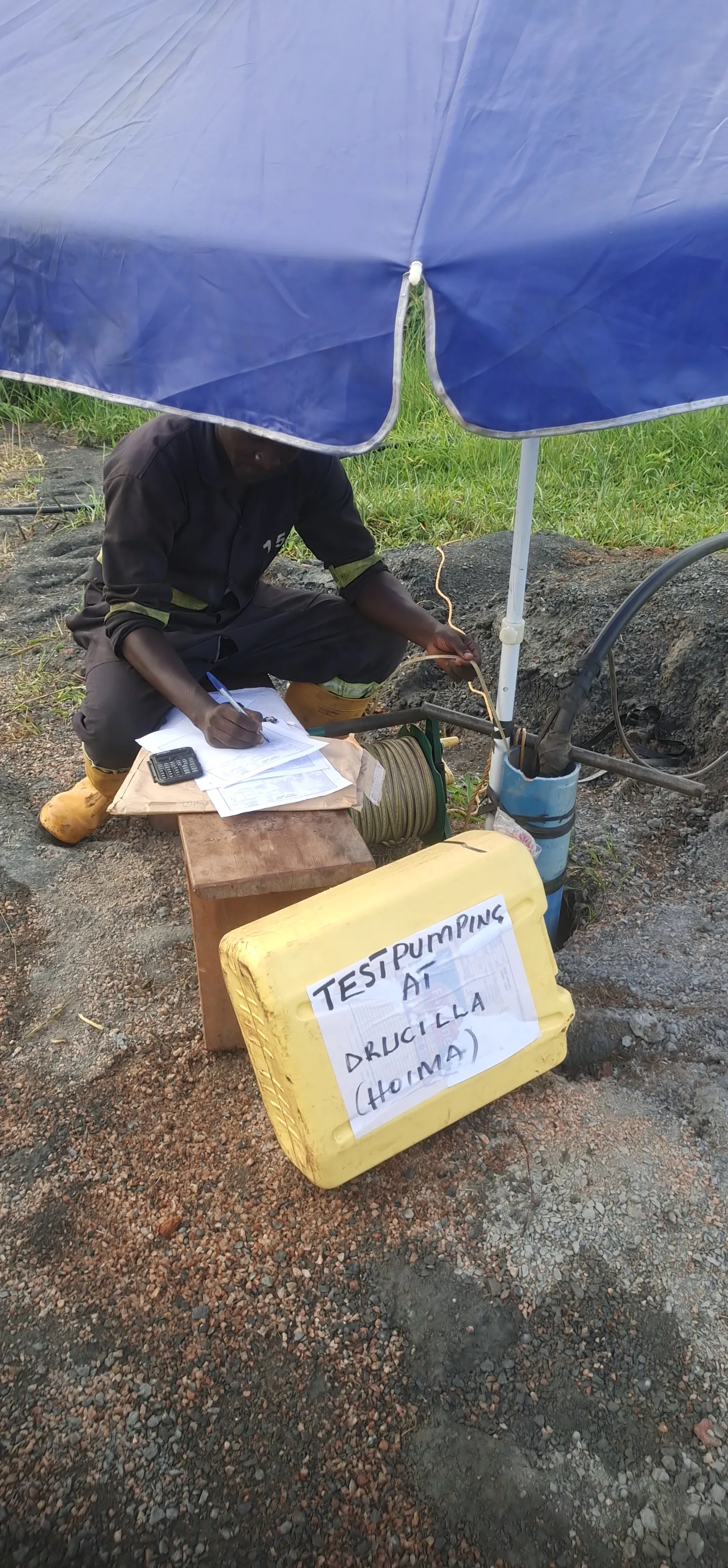
What a water test does and does not tell you
Water testing ensures safety by detecting bacteria, iron, fluoride, and pH, confirming if water meets drinking standards. However, it does not reveal…
Why we publish our response times
At our company, transparency is central to how we work. By publishing our response times, we give clients a clear picture of how quickly we act once…