
What a water test does and does not tell you
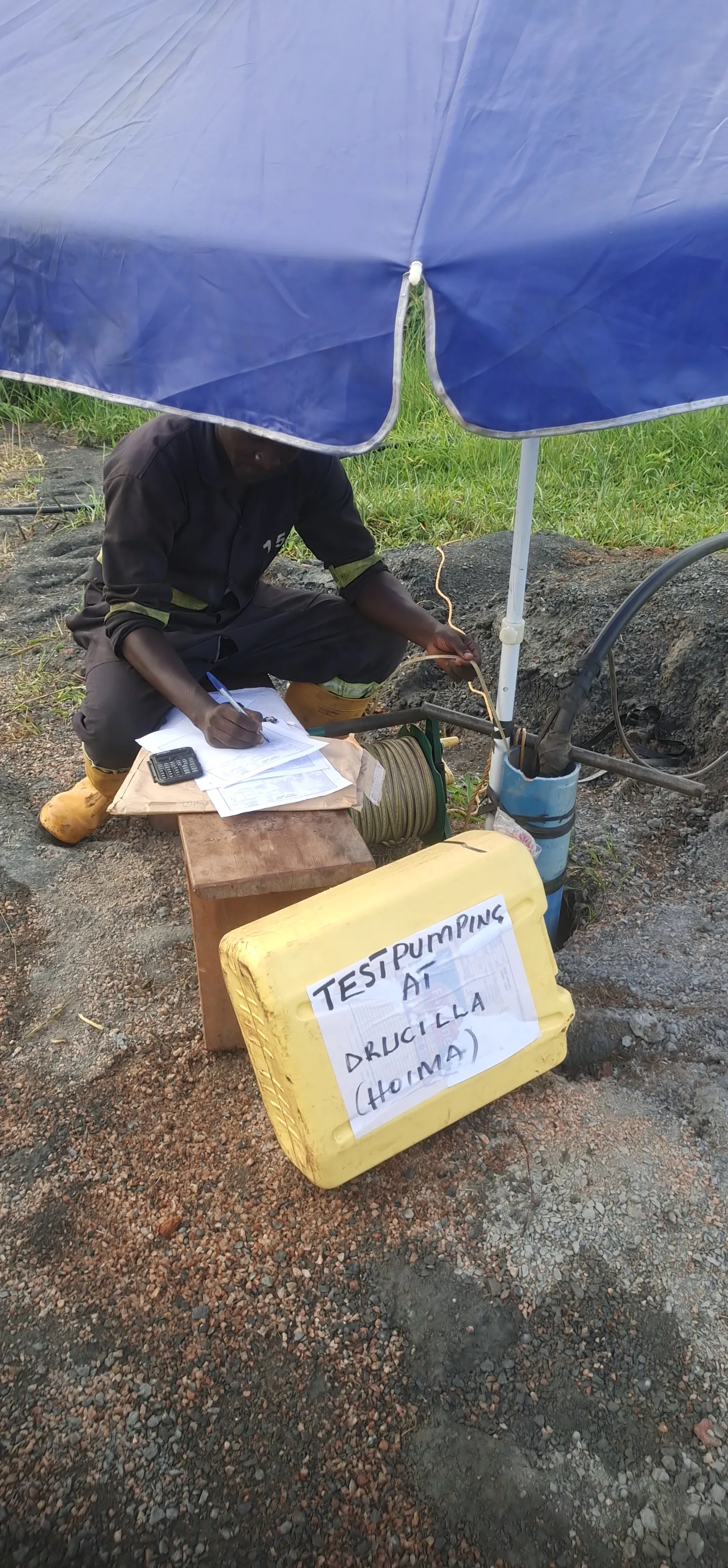
Water testing ensures safety by detecting bacteria, iron, fluoride, and pH, confirming if water meets drinking standards. However, it does not reveal borehole yield, aquifer sustainability, or construction quality. Testing is vital, but not a full performance guarantee
The tests we run
Bacteriological, pH, conductivity, turbidity, iron and fluoride. The first determines whether the water is safe to drink today. The others determine whether people will still be drinking it in a year.
Why taste matters as much as safety
Water that is microbiologically safe but tastes of iron gets abandoned for the stream, and a borehole nobody uses has failed whatever the laboratory certificate says. Iron above roughly 0.3 mg/l is the usual culprit, and it is a design question — not a health one.
The second test is the real one
Contamination almost never arrives with the water. It arrives afterwards, through a cracked apron, a damaged seal or an unprotected head, weeks or months after everyone has gone home. Retesting at the maintenance visit is what turns a one-day result into an ongoing statement.
What we publish
Certificates are attached to the water point in the public register, with the date they were taken. A certificate without a date is decoration.
Related articles
How to read a drilling log
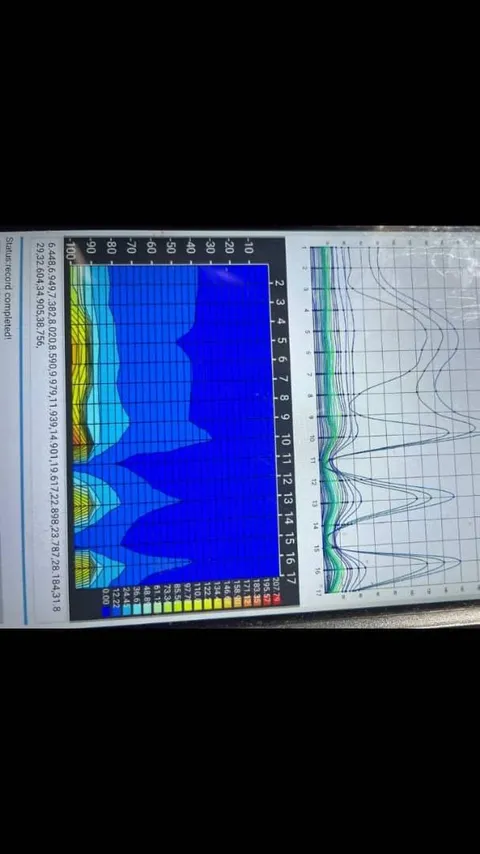
A drilling log is the borehole’s record, showing depth drilled, soil and rock layers, points where water was struck, casing details, and pumping test…
Why we publish our response times
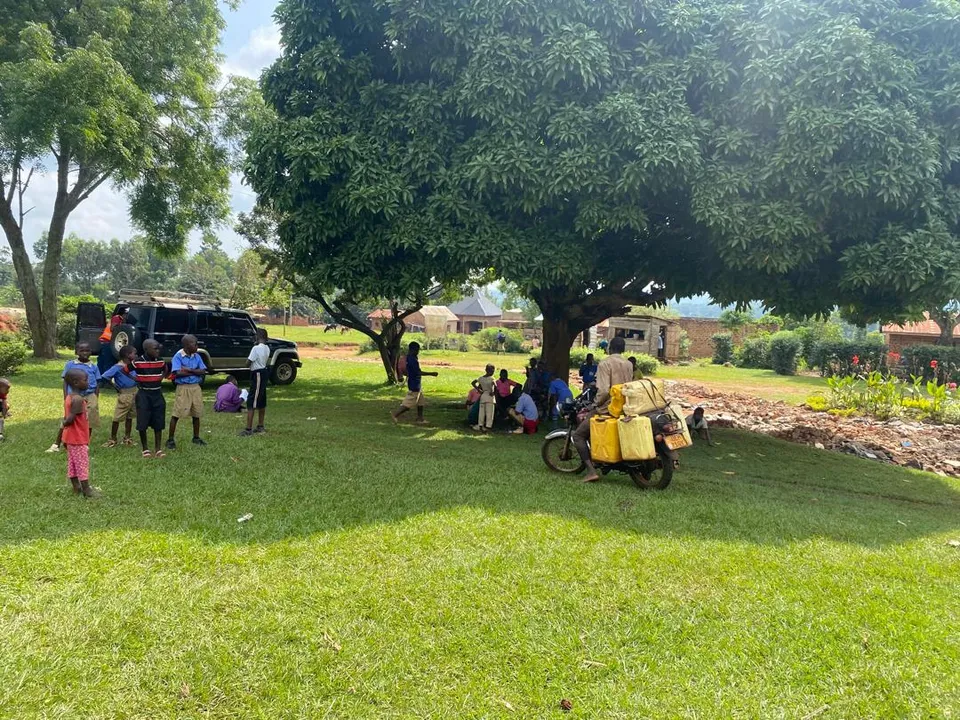
At our company, transparency is central to how we work. By publishing our response times, we give clients a clear picture of how quickly we act once…
Long‑Term Investment for Safe Water Supply
Choosing to drill a borehole delivers lasting impact — clean water, consistent yield, and peace of mind that repairs alone can’t guarantee.