
How to read a drilling log
A drilling log is the borehole’s record, showing depth drilled, soil and rock layers, points where water was struck, casing details, and pumping test results. Reading it helps you assess construction quality, aquifer conditions, and long‑term water reliability.
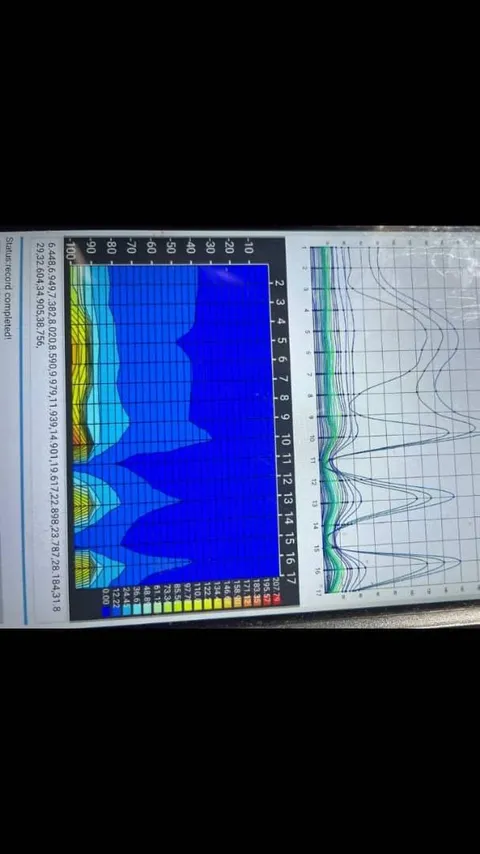
What the log records
A drilling log is the borehole’s birth certificate. It records the formations passed through and at what depth, where water was struck, the position of casing and screen, and the yield measured at the end of development.
Why the strata matter
The sequence of formations tells you whether the supply is likely to be seasonal. A borehole drawing from weathered overburden behaves differently in a dry year from one drawing from fractured basement, and the log is the only place that distinction is written down.
The number to check first
Yield at completion — and specifically whether it was measured after development or during drilling. A figure taken while the hole is still being flushed is not a yield, and a figure quoted without saying when it was taken should be treated as no figure at all.
What to do with it
Keep it. When a pump fails five years later, the log is what tells the next engineer whether the borehole is worth rehabilitating or whether the problem is below the pump.
Related articles
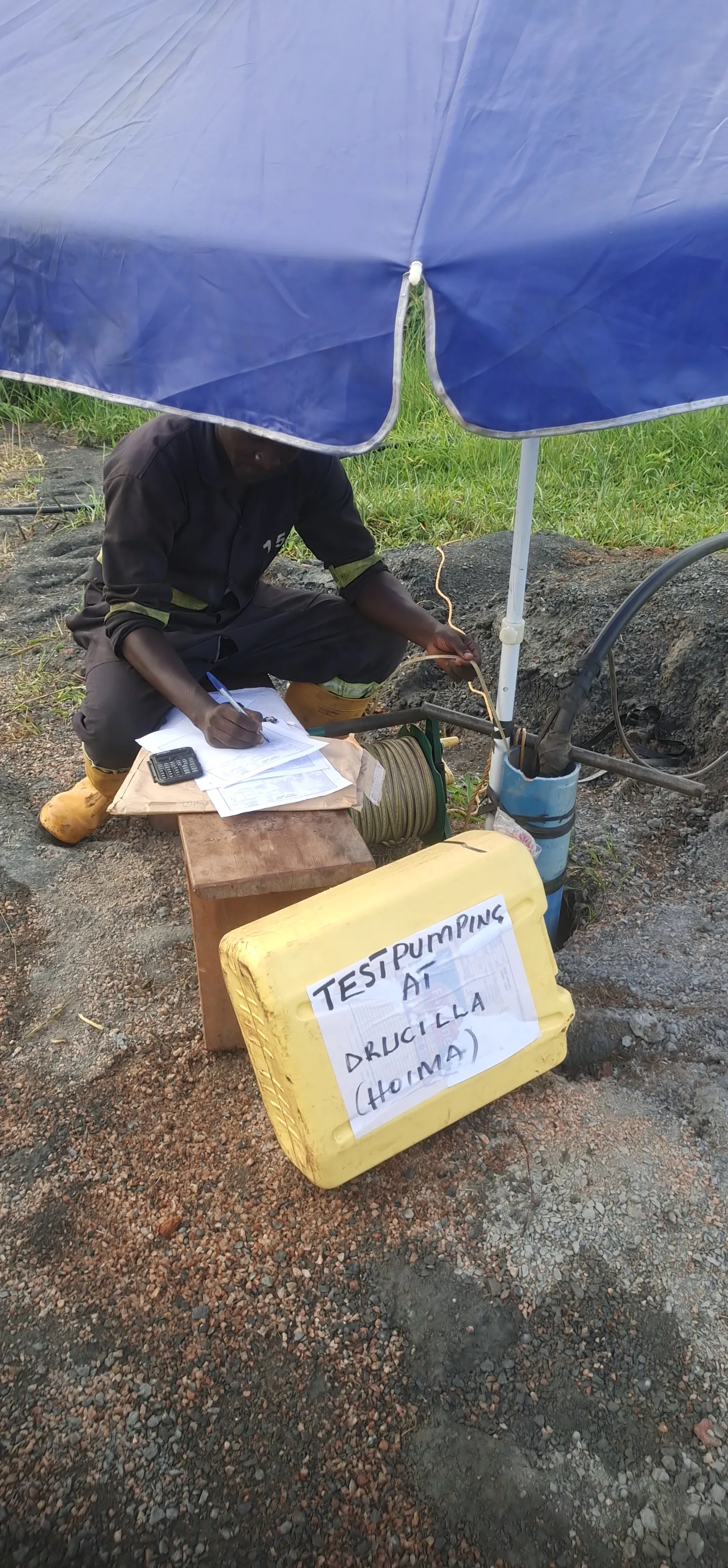
What a water test does and does not tell you
Water testing ensures safety by detecting bacteria, iron, fluoride, and pH, confirming if water meets drinking standards. However, it does not reveal…

Why we publish our response times
At our company, transparency is central to how we work. By publishing our response times, we give clients a clear picture of how quickly we act once…
Long‑Term Investment for Safe Water Supply
Choosing to drill a borehole delivers lasting impact — clean water, consistent yield, and peace of mind that repairs alone can’t guarantee.