
Why we publish our response times
At our company, transparency is central to how we work. By publishing our response times, we give clients a clear picture of how quickly we act once a borehole request is made. This builds trust, sets realistic expectations, and demonstrates accountability.
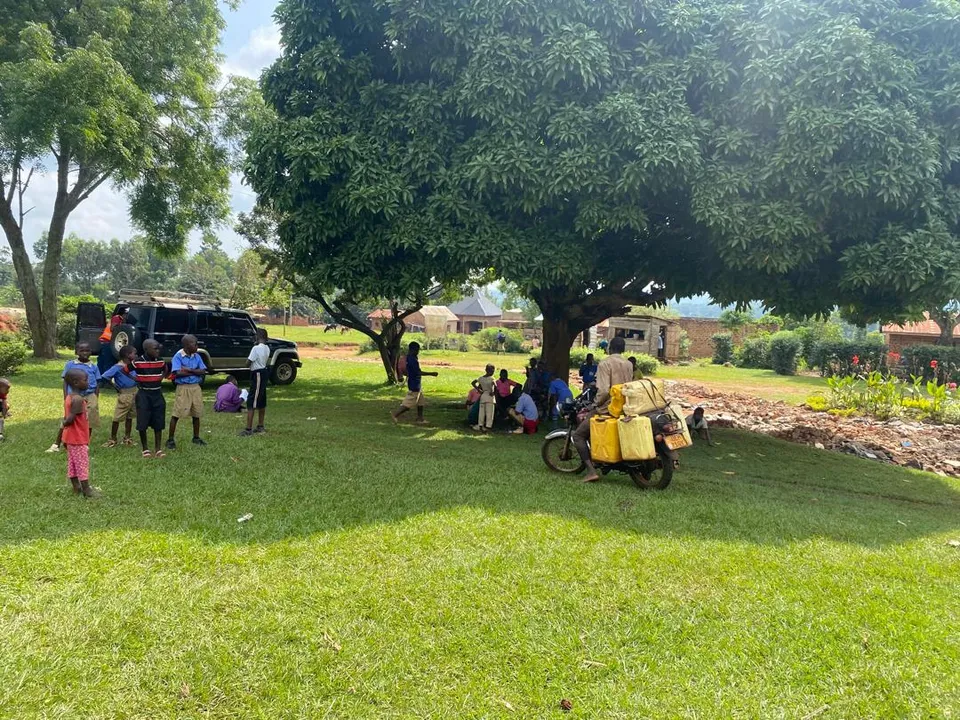
The problem with “we maintain what we build”
Everyone in this sector says it. The sentence costs nothing and commits to nothing, which is exactly why it appears on every website in the industry — including the ones whose pumps have stood dry for two years.
What we publish instead
The number of faults currently open, the median hours from report to acknowledgement, the median hours from report to repair, and the share of covered water points found working at the last visit. All four are recalculated from the actual fault records, not typed into a settings field.
Why the median and not the average
One water point in a district cut off by rain for three weeks would drag an average far enough to make it meaningless. The question a partner is actually asking is "how long does this usually take", and that is a median.
What it costs us
A bad month is visible to everyone, including the NGO deciding whether to place the next contract. That is the point. A figure that can only improve is not a measurement, it is a slogan with a number in it.
Related articles
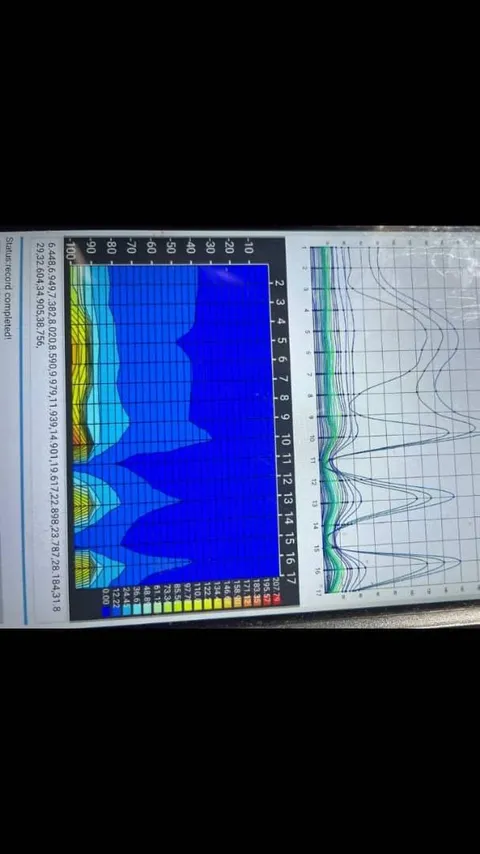
How to read a drilling log
A drilling log is the borehole’s record, showing depth drilled, soil and rock layers, points where water was struck, casing details, and pumping test…
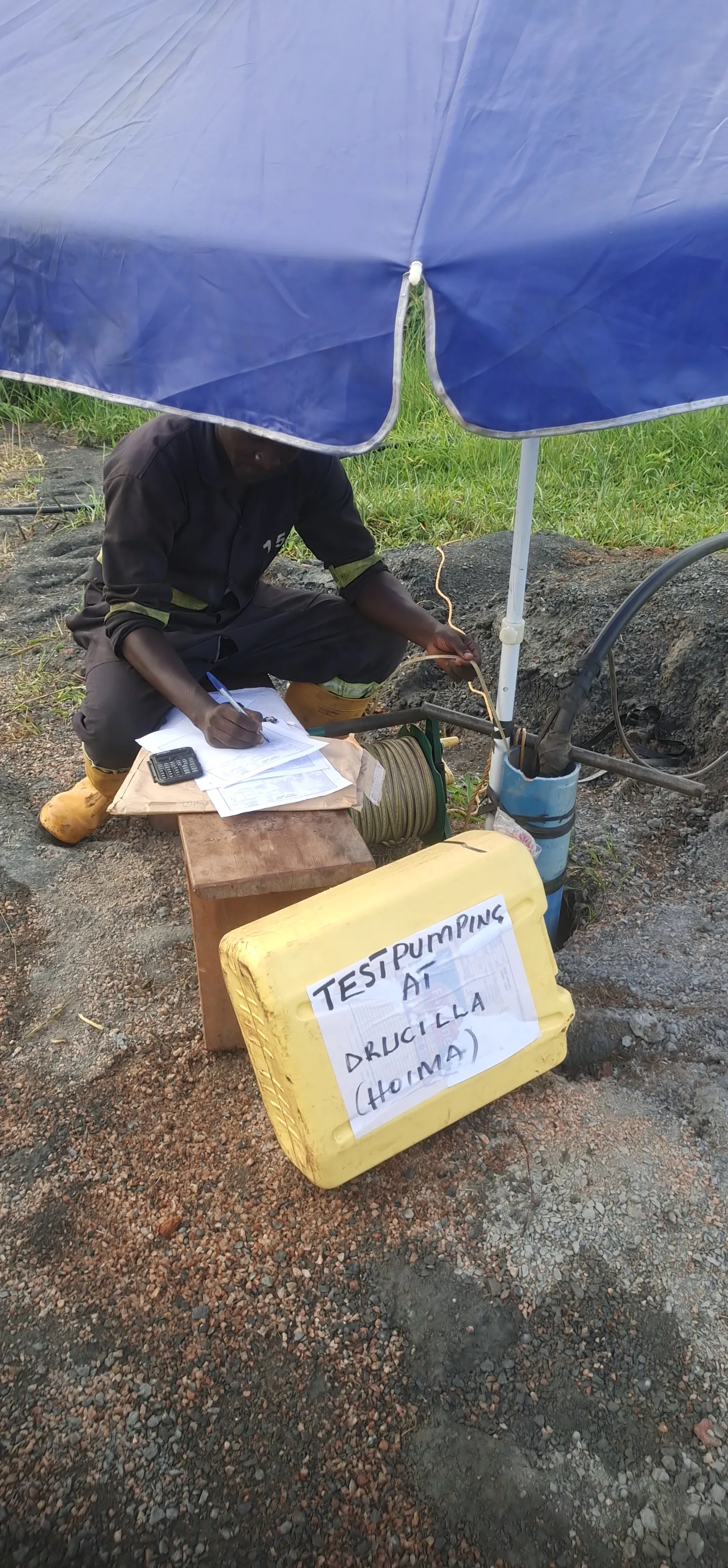
What a water test does and does not tell you
Water testing ensures safety by detecting bacteria, iron, fluoride, and pH, confirming if water meets drinking standards. However, it does not reveal…
Long‑Term Investment for Safe Water Supply
Choosing to drill a borehole delivers lasting impact — clean water, consistent yield, and peace of mind that repairs alone can’t guarantee.